
Pressure washing uses high-pressure water to blast away dirt and grime from hard surfaces like concrete and brick. Soft washing uses low-pressure water combined with specialized cleaning solutions to safely remove mold, algae, and mildew from delicate surfaces like roofs and siding. Choosing the right exterior cleaning method protects your property and extends the life of its surfaces. Not every exterior surface responds the same way to cleaning—and that's something many homeowners discover the hard way. A pressure washer that works perfectly on a concrete driveway can crack roof shingles, strip paint, or force water behind siding in a matter of minutes. Understanding the key differences in exterior cleaning methods is one of the simplest ways to protect your property from unnecessary and costly damage. Here in Southeast Texas, the warm climate and high humidity create ideal conditions for mold, mildew, and algae to thrive on exterior surfaces year-round. Heavy rainfall washes dirt and organic debris onto roofs, driveways, and walls—and without the right cleaning approach, these problems compound quickly. Choosing between pressure washing and soft washing isn't just a matter of preference. It's a matter of using the right tool for each surface. This article breaks down how each method works, where each one belongs, and how to avoid the most common mistakes homeowners make when cleaning their property's exterior. What Is Pressure Washing? Pressure washing uses a high-pressure stream of water—typically between 1,500 and 3,000+ PSI (pounds per square inch)—to dislodge and remove stubborn dirt, grime, grease, and stains from hard surfaces. The force of the water does most of the heavy lifting, making it highly effective for surfaces that can handle that level of intensity. Common surfaces well-suited for pressure washing include: Concrete driveways and garage floors — Grease stains, tire marks, and ground-in dirt respond well to high-pressure cleaning Sidewalks and walkways — Built-up grime and biological growth can be cleared efficiently Brick and stone — Dense, durable materials generally tolerate higher water pressure Patios — Especially those made of concrete, pavers, or stone Parking areas — Both residential and commercial spaces benefit from periodic high-pressure cleaning Pressure washing is fast and effective when applied to the right surfaces. The challenge is knowing when not to use it. What Is Soft Washing? Soft washing is a low-pressure cleaning process that combines water with specially formulated cleaning solutions to break down and eliminate mold, mildew, algae, bacteria, and other organic growth. Rather than blasting contaminants away with force, soft washing treats the surface at a chemical level—removing the source of the problem rather than simply washing the visible buildup away. This distinction matters. Pressure washing a moldy surface might remove what you can see, but it rarely eliminates the underlying organisms causing the growth. Soft washing, by contrast, kills mold and algae at the root, which can help slow regrowth over time. At Leo Exterior Cleaning, the soft washing process uses low-pressure application and cleaning solutions specifically designed to eliminate organic growth while helping to protect the exterior surfaces being treated. This approach makes it safe for materials that would be damaged by high-pressure water. Surfaces that respond well to soft washing include: Asphalt shingle and tile roofs Vinyl and wood siding Stucco and EIFS (exterior insulation and finish systems) Painted surfaces Fences and exterior trim Fascia boards and soffits Exterior Cleaning Methods Comparison Here's a side-by-side exterior cleaning methods comparison to help clarify when each approach applies: Factor Pressure Washing Soft Washing Water Pressure High (1,500–3,000+ PSI) Low (under 500 PSI) Cleaning Process Mechanical — water force removes buildup Chemical — solutions break down organic growth Best Surface Types Concrete, brick, stone, pavers Roofs, siding, stucco, painted surfaces Mold & Algae Removal Removes visible growth Kills organisms at the source Risk of Surface Damage Higher on delicate surfaces Very low when applied correctly Cleaning Longevity Varies by surface and contamination Can last longer due to biological treatment Maintenance Needs May require more frequent cleaning Treatment may slow organic regrowth This exterior cleaning methods comparison isn't about declaring a winner—both methods serve important roles. The goal is matching the right approach to each surface. When Should You Use Pressure Washing? Pressure washing is typically the right choice for dense, durable surfaces that won't be harmed by high-pressure water. These are surfaces where the goal is removing heavy buildup rather than treating biological growth. Best candidates for pressure washing: Concrete driveways — Motor oil, grease, and ground-in dirt are no match for high-pressure cleaning Sidewalks and pathways — Regular foot traffic leads to significant buildup over time Brick and stone patios — Durable materials can handle the pressure needed to clear stubborn staining Pool decks — Algae and chemical deposits can be cleared effectively Garage floors — Grease and oil stains respond well to high-pressure water Commercial parking areas — Large, hard surface areas benefit from efficient pressure washing The key factor is surface density. Concrete, brick, and stone can absorb or deflect water pressure without sustaining damage. That physical resilience makes them appropriate for high-pressure cleaning in a way that softer materials simply are not. When to Use Soft Washing Instead of Pressure Washing Knowing when to use soft washing instead of pressure washing can be the difference between a clean home and an expensive repair. Any surface that is porous, painted, thin, or prone to water infiltration generally calls for low-pressure cleaning solutions rather than high-pressure water. Surfaces where you should use soft washing instead of pressure washing: In Southeast Texas, the wa Roofs — Shingles, tiles, and metal roofing can be cracked, dislodged, or voided of warranty by pressure washing. Soft washing cleans safely without the force. Vinyl siding — High pressure can force water behind panels, leading to moisture damage and mold growth inside walls Wood siding and fences — Pressure washing can splinter wood, raise the grain, and strip protective coatings Stucco — A porous material that absorbs water; high pressure can crack the surface and drive moisture in Painted surfaces — High-pressure water strips paint, creating more work and expense Exterior trim and fascia — Thin, finished surfaces need gentle treatment rm and humid climate accelerates biological growth on all of these surfaces. Soft washing is particularly valuable here because it addresses mold removal, algae removal, and mildew removal at the source—not just the surface appearance. That makes it a smart choice for ongoing exterior maintenance in the region's climate. Common Mistakes Homeowners Make Even well-intentioned DIY cleaning can go wrong quickly. These are the most common mistakes homeowners make when tackling exterior cleaning on their own: Using too much pressure on the wrong surfaces — What works on concrete can destroy stucco or siding. Always match pressure to the surface material. Renting improper equipment — Consumer-grade rental pressure washers often lack the controls needed for safe, effective cleaning across multiple surface types. Pressure washing a roof — This is one of the most damaging mistakes a homeowner can make. High-pressure water strips granules from shingles, shortens roof life, and can void manufacturer warranties. Ignoring mold and algae buildup — Organic growth doesn't disappear on its own. Leaving it untreated allows it to spread and cause deeper surface damage over time. Choosing the wrong nozzle — Pressure washer nozzles vary dramatically in their spray angle and intensity. The wrong nozzle on the wrong surface causes immediate damage. Damaging siding or stripping paint — Both are expensive to repair. Soft washing exists precisely to prevent these outcomes on delicate surfaces. Skipping protective measures for landscaping — Cleaning solutions and high-pressure spray can damage plants, grass, and garden beds without proper coverage and rinsing. Professional exterior cleaning services exist not just for convenience, but to prevent this kind of preventable damage. Which Cleaning Method Is Right for Your Property? Every property is different, and selecting the right cleaning method requires evaluating several factors specific to your home or business: Surface material — What is the surface made of? Is it porous, painted, or dense? Age and condition — Older surfaces may be more brittle or prone to absorbing water Existing damage — Cracked paint, aging siding, or weathered wood needs extra care Type of organic growth — Mold, algae, and mildew require soft washing treatment, not just water force Type and extent of dirt buildup — Heavy grease or sediment on hard surfaces may warrant pressure washing Many properties need both methods applied in different areas. A home might have a concrete driveway that's ideal for pressure washing and vinyl siding that calls for soft washing. Treating every surface the same way leads to poor results at best and costly damage at worst. If you're unsure which approach is right for your property, the safest step is to consult a professional who offers both services and understands how to evaluate each situation. Let Leo Exterior Cleaning Take Care of It Leo Exterior Cleaning serves homeowners and businesses throughout Southeast Texas with professional residential exterior cleaning and commercial exterior cleaning services. Whether your property needs the power of pressure washing or the precision of soft washing, the team at Leo Exterior Cleaning uses the right method for each surface—protecting your property while delivering results that last. Ready to find out which exterior cleaning solution is right for your home or business? Contact Leo Exterior Cleaning today for a free estimate and let their team put together the right plan for your property. Frequently Asked Questions What is the difference between pressure washing and soft washing? Pressure washing uses high-pressure water to mechanically remove dirt, grime, and stains from hard surfaces like concrete and brick. Soft washing uses low-pressure water combined with specialized cleaning solutions to kill and remove mold, algae, mildew, and bacteria from more delicate surfaces. The right choice depends on the surface material and the type of contamination being treated. Is soft washing better for my roof? Yes—for most roofing materials, soft washing is the recommended approach. High-pressure washing can dislodge shingles, strip protective granules, and potentially void manufacturer warranties. Soft washing cleans the roof surface effectively without the mechanical force, making it safer and less likely to cause damage. Can pressure washing damage siding? It can, yes. Vinyl siding is especially vulnerable because high-pressure water can force moisture behind the panels, leading to hidden mold growth and structural damage. Painted or wood siding can also be stripped or splintered. Soft washing is generally the preferred method for siding cleaning. How often should I have my home's exterior cleaned? For most homes in Southeast Texas, an annual exterior cleaning is a reasonable baseline—though properties with heavy shade, high humidity exposure, or significant organic growth may benefit from cleaning every six months. Regular exterior maintenance helps prevent mold, algae, and mildew from causing long-term surface damage. Which exterior surfaces should never be pressure washed? Surfaces that should not be pressure washed include asphalt shingle roofs, vinyl and wood siding, stucco, painted surfaces, older brick with deteriorating mortar, fences, and any surface with existing cracks or damage. These materials require soft washing or other low-pressure cleaning methods to avoid damage.
Mold Removal for House Exteriors in Pearland, TX | Leo Exterior Cleaning
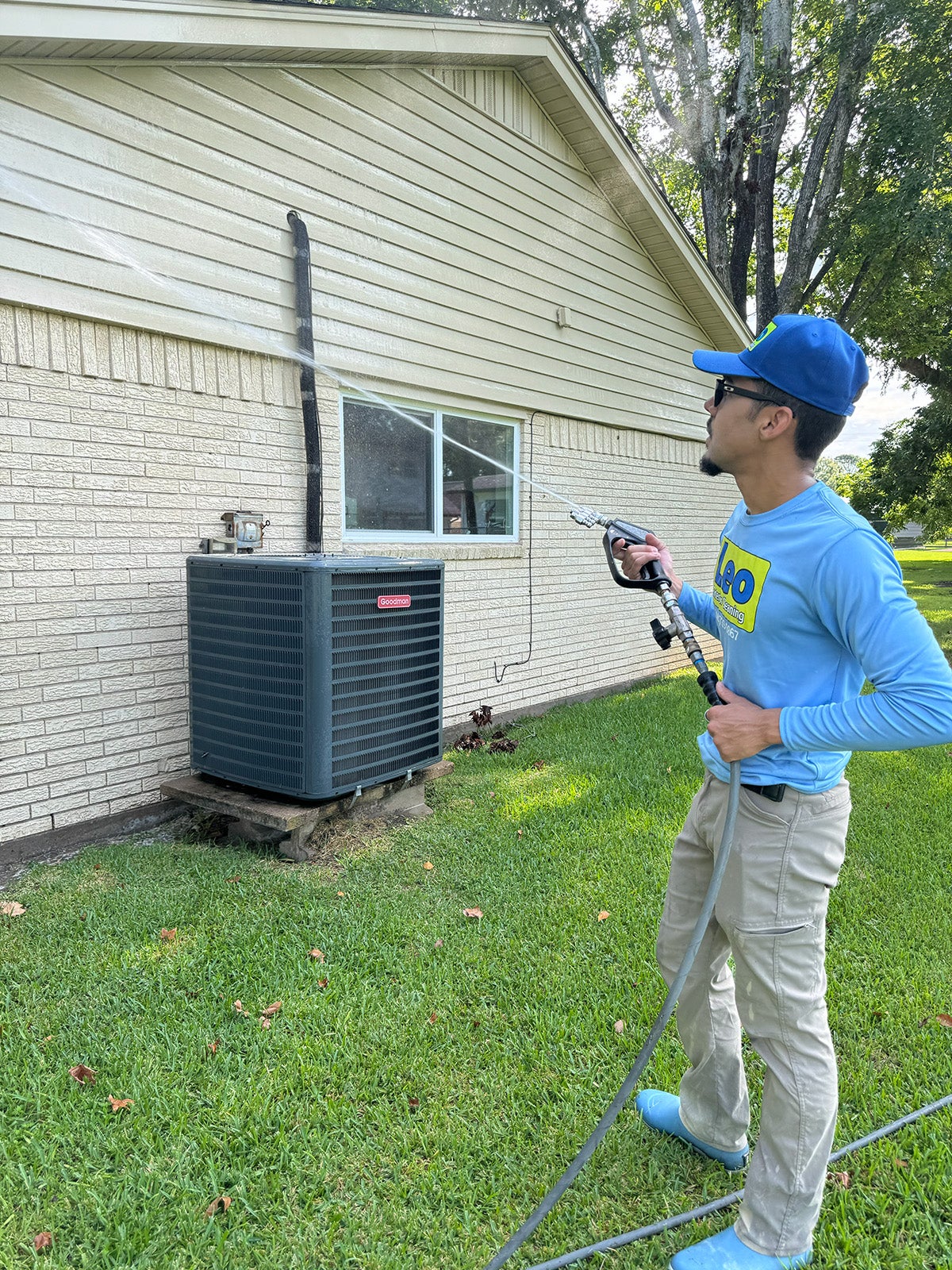
How to Remove Mold and Mildew From Your Home Exterior Quick answer: Mold and mildew develop on home exteriors due to humidity, shade, and moisture buildup. Mold removal for house exteriors typically involves soft washing, a low-pressure cleaning method that uses specialized solutions to break down organic growth without damaging delicate surfaces. Homeowners in Pearland, TX can address this buildup through professional exterior cleaning services like those offered by Leo Exterior Cleaning. Pearland's humid climate creates ideal conditions for mold, mildew, and algae to settle on home exteriors. Siding, roofs, and other outdoor surfaces can collect this organic growth over time, especially in shaded or moisture-prone spots. Left untreated, it can dull your home's appearance and make routine upkeep more difficult. Mold removal for house exteriors requires more than a garden hose and some elbow grease. Different surfaces call for different approaches, and using the wrong method can cause damage rather than fix the problem. That's where Leo Exterior Cleaning comes in. As a Houston-area company serving Pearland, TX, Leo Exterior Cleaning provides exterior cleaning and soft washing solutions designed to address mold, mildew, and other buildup safely. Why Mold and Mildew Develop on Home Exteriors Mold and mildew thrive when moisture, shade, and organic debris combine on exterior surfaces. Common contributing factors include: Humidity: Pearland's warm, humid climate provides consistent moisture that supports mold and algae growth. Rainfall and weather exposure: Frequent rain keeps exterior surfaces damp, creating an environment where organic growth can take hold. Shaded areas: Sections of your home that receive limited direct sunlight tend to stay damp longer, making them more susceptible to buildup. Dirt and debris: Leaves, pollen, and other organic material can collect on surfaces, giving mold and mildew something to feed on. Homes in humid climates like Pearland often experience these issues more frequently than homes in drier regions. This makes mildew removal for exterior house cleaning an ongoing part of home maintenance rather than a one-time task. Common Areas Where Mold and Mildew Appear Mold and mildew don't stick to just one part of your home. Homeowners often notice buildup in these areas: Siding: Vinyl, wood, and stucco siding can all develop dark streaks or green patches over time. Roof surfaces: Black staining on shingles is often caused by algae feeding on materials within the roofing. Fences: Wood and vinyl fencing exposed to shade and moisture can collect similar growth. Driveways and walkways: Concrete surfaces can develop mildew or algae, particularly in areas with poor drainage. Outdoor living areas: Patios, decks, and covered spaces can also show signs of buildup. Since each surface is made of different materials, mold removal for house exteriors depends on choosing the appropriate cleaning approach for each area rather than applying the same method everywhere. How Soft Washing Helps Remove Mold and Mildew Leo Exterior Cleaning uses soft washing to address mold, mildew, and algae on home exteriors. This method combines a specialized cleaning solution with low-pressure water application, which helps loosen and remove organic growth without the risks associated with high-pressure cleaning. According to Leo Exterior Cleaning, this process helps eliminate Gloeocapsa magma, the type of algae responsible for the black staining often seen on roofs. Soft washing is designed to be gentler on delicate materials, including siding and shingles, compared to traditional pressure washing. Homeowners interested in learning more about this approach can review Leo Exterior Cleaning's soft washing services for additional details on how the process works and what it addresses. Mildew removal for exterior house cleaning through soft washing can improve the appearance of affected surfaces while helping protect the underlying material. Why Professional Exterior Cleaning Can Make a Difference While some homeowners attempt exterior cleaning themselves, professional services offer a few notable advantages. A trained team can evaluate the surface condition and select the cleaning approach best suited to that material. This matters because siding, roofing, and concrete each respond differently to cleaning solutions and pressure levels. Professional exterior cleaning also helps address buildup safely, reducing the chances of surface damage that can come from improper technique. Beyond function, a clean exterior can noticeably improve curb appeal, which matters whether you're maintaining your home or preparing it for sale. Mold removal for house exteriors is one of those tasks that benefits from experience, particularly when dealing with hard-to-reach areas like rooflines or multi-story siding. Preventing Mold and Mildew Buildup on Your Home Exterior Once your exterior has been cleaned, a few maintenance habits can help keep buildup from returning as quickly: Schedule regular exterior cleaning to stay ahead of new growth before it becomes noticeable. Remove debris like leaves and branches from around siding, roofing, and walkways. Monitor shaded or moisture-prone areas more closely, since these spots tend to develop buildup faster. Reach out for professional cleaning when you notice new mildew removal for exterior house cleaning needs, rather than waiting for the problem to spread. Outdoor conditions in Pearland mean that some degree of future growth is likely, but consistent maintenance can help keep your exterior looking cleaner for longer. Schedule Exterior Cleaning in Pearland, TX Mold and mildew buildup can affect the look and condition of your home's exterior, particularly in a humid area like Pearland, TX. Whether it's showing up on your siding, roof, fence, or driveway, addressing it with the right cleaning method can make a meaningful difference. If you're noticing signs of buildup around your property, contact Leo Exterior Cleaning to discuss your exterior cleaning options. Their team can help evaluate your home's surfaces and recommend an appropriate approach for mold removal for house exteriors. Frequently Asked Questions About Mold and Mildew Removal What causes mold and mildew to grow on a house exterior? Mold and mildew typically develop due to a combination of moisture, humidity, shade, and organic buildup like dirt or debris. Homes in humid climates are especially prone to this type of growth, making mold removal for house exteriors a regular part of home upkeep. How do you remove mold from exterior house surfaces? Mold from a house exterior can be removed using appropriate cleaning methods, such as soft washing, which combines cleaning solutions with low-pressure rinsing. This approach helps address mold removal for house exteriors without the surface damage that can come from high-pressure equipment. What is the best method for mildew removal on siding? The best method depends on the siding material, but soft washing is commonly used for exterior surfaces that require a gentler cleaning approach. This makes it a popular choice for mildew removal for exterior house cleaning on vinyl, wood, and stucco siding.